 De Deur van Dromen :
Films
De Deur van Dromen :
Films
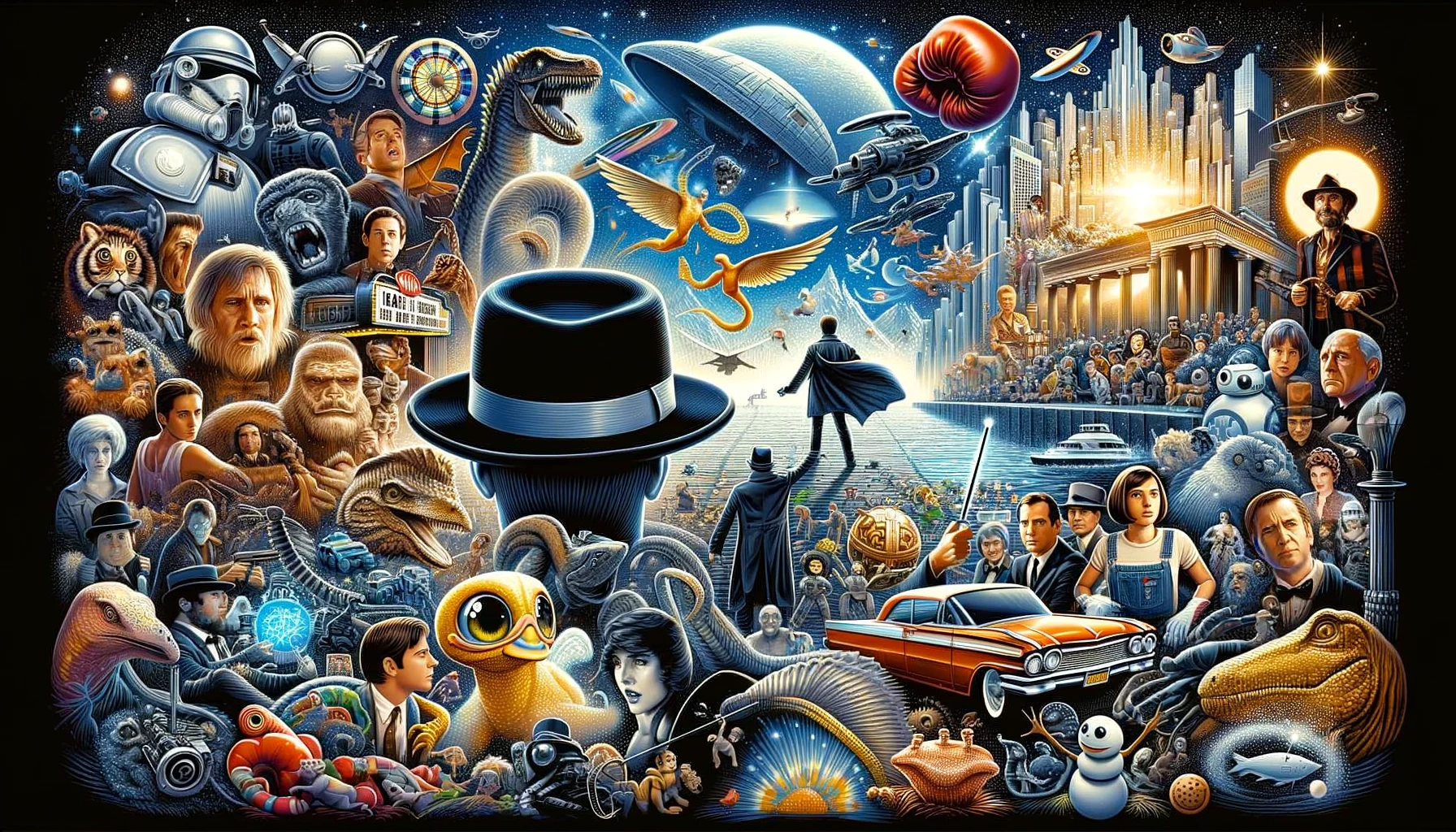 Ai afbeelding van alle beste films van IMBD
The history of film, or cinema, is a rich and fascinating journey that spans over a century, marked by constant innovation and artistic evolution. The birth of cinema is often attributed to the late 19th century, with key figures like the Lumière brothers in France and Thomas Edison in the United States playing pivotal roles. Initially, films were short, silent, and black and white, focusing on capturing everyday events, known as actualities. By the early 20th century, narrative films began to emerge, telling stories through a sequence of scenes. This era saw the rise of the first movie stars and directors, and the establishment of the first film studios.
Movies wield a significant influence on us, extending far beyond mere entertainment. They serve as powerful tools for emotional engagement, often evoking deep feelings like joy, sorrow, or empathy. This emotional connection can lead to a greater understanding and appreciation of different cultures, lifestyles, and perspectives, fostering empathy and broadening worldviews. Furthermore, films have the capability to shape societal norms and values, highlighting and challenging various social issues, thereby playing a key role in societal evolution. Whether it's through thought-provoking narratives, compelling characters, or visually stunning storytelling, films continue to leave a lasting impact on individuals and society as a whole
People enjoy watching movies for a multitude of reasons. Films provide a unique form of escapism allowing audiences to step away from their daily lives and immerse themselves in different worlds, stories, and experiences. They offer a sensory journey through visuals, sound, and storytelling that can evoke a wide range of emotions, from laughter to tears, fear to inspiration. Movies also serve as a social activity, bringing friends and families together, and as a medium for reflecting on and understanding diverse perspectives and cultures. Additionally, films can be intellectually stimulating, offering insights into various aspects of life, history, and human nature, thus satisfying our innate curiosity and desire for learning. This combination of entertainment, emotional engagement, social interaction, and intellectual stimulation is what makes movies a beloved and enduring form of art and entertainment..
The future of movies is poised to be shaped by technological advancements and changing audience preferences. We can expect a continued evolution in the way films are produced, distributed, and consumed. Emerging technologies like virtual and augmented reality are likely to offer more immersive and interactive cinematic experiences, blurring the lines between traditional filmmaking and gaming. The rise of streaming services is already changing distribution and viewing habits, allowing for more personalized and on-demand viewing experiences. Additionally, there's a growing emphasis on diverse and inclusive storytelling, reflecting a broader range of experiences and perspectives. The integration of artificial intelligence in filmmaking might also revolutionize aspects of production, from scriptwriting to editing. All these factors suggest a dynamic and innovative future for the film industry, one that adapts to technological changes while continually seeking to captivate and engage global audiences.